Oxymorons reflect the ironies of life.
How to write this answer
For the essay: Plan for five minutes: an opening anecdote, five dimensions, a counter-view, and a conclusion that returns to the topic.
For this question: Write down five dimensions and a counter-view on the rough page before you start.
See the answer frameworkWhat to write, point by point
An oxymoron joins opposites ('bitter-sweet', 'deafening silence'). The topic asks you to show that life itself is full of such contradictions, and that seeing them clearly is a kind of wisdom.
Open with a familiar oxymoron from daily life, such as the 'bitter-sweet' moment when a parent sends a child away to study, and ask why the phrase feels true.
Thesis
- Life's deepest truths often hold two opposites at once; ironies are not errors in life but part of its texture.
Dimensions to develop
- Personal: success that brings loneliness; freedom that brings anxiety; the 'wise fool' who knows he knows nothing (Socrates).
- Social: connected yet lonely in the age of social media; affluent but anxious societies.
- Economic and technological: labour-saving machines that leave people busier; abundance of food alongside hunger.
- Political: 'cruel kindness' of paternal rulers; peace kept by nuclear deterrence, the 'balance of terror'.
- Environmental: development that destroys the resources development needs.
- Indian thought: detached attachment (nishkama karma in the Gita); strength through non-violence in Gandhi.
The counter-view
- Not every contradiction is a deep truth; some are simply injustice or hypocrisy dressed up as irony, and need correction rather than acceptance.
Close by showing that accepting life's ironies builds humility and balance, while refusing to excuse avoidable wrongs as mere irony.
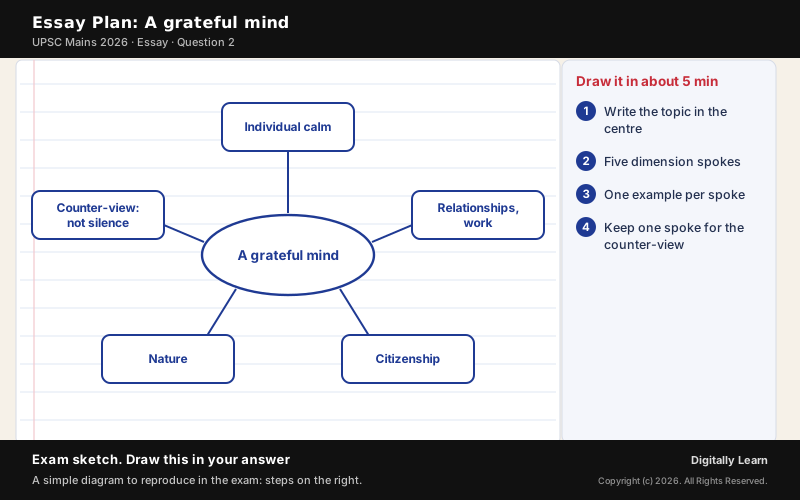
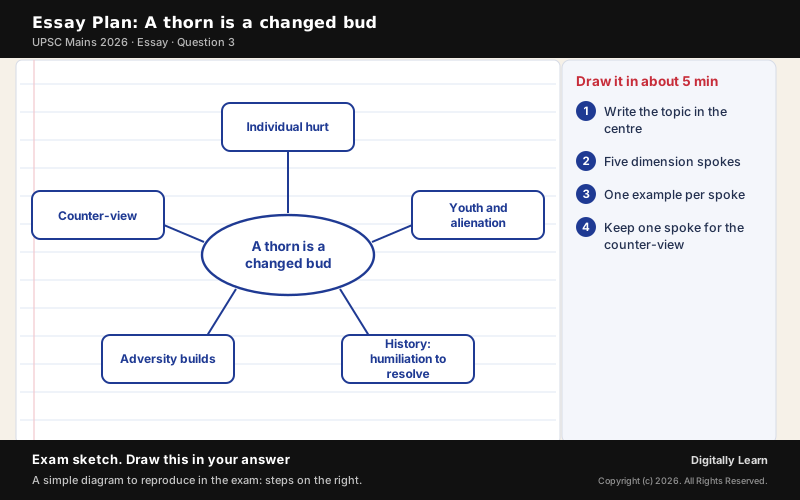
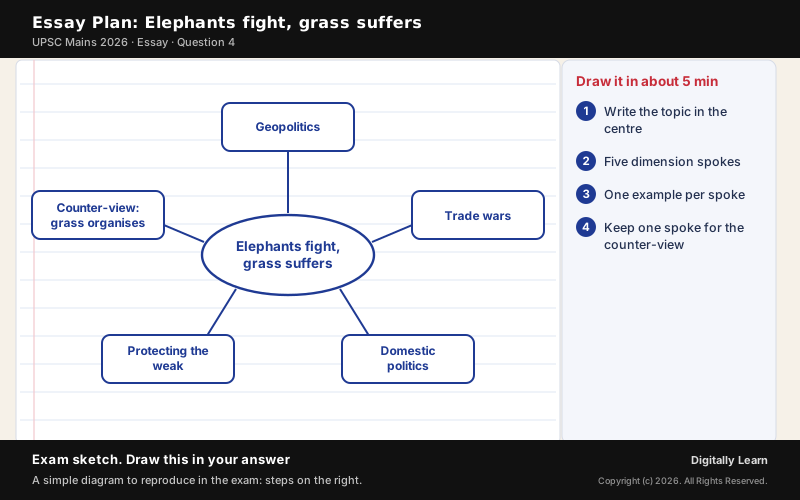
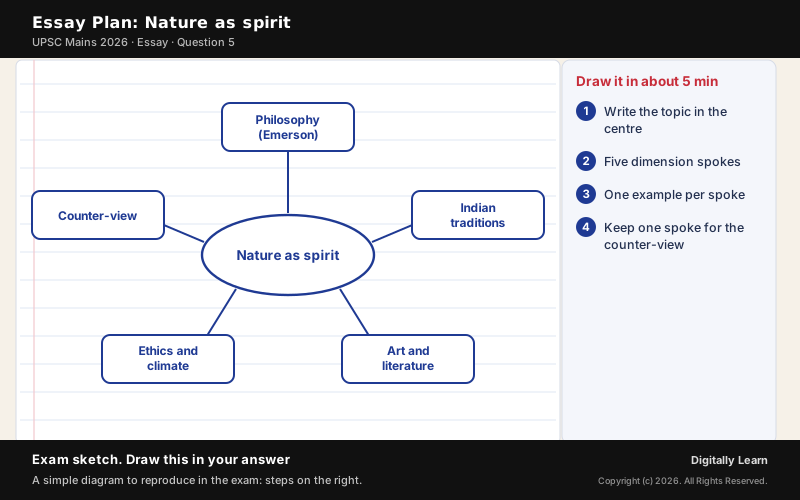
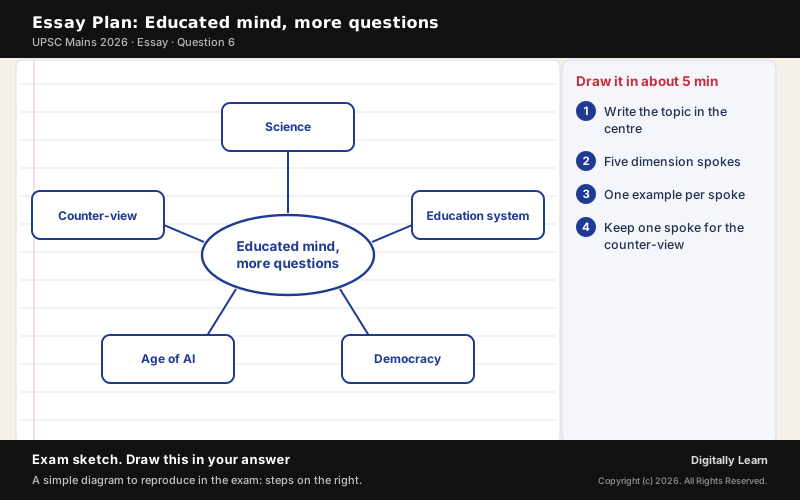
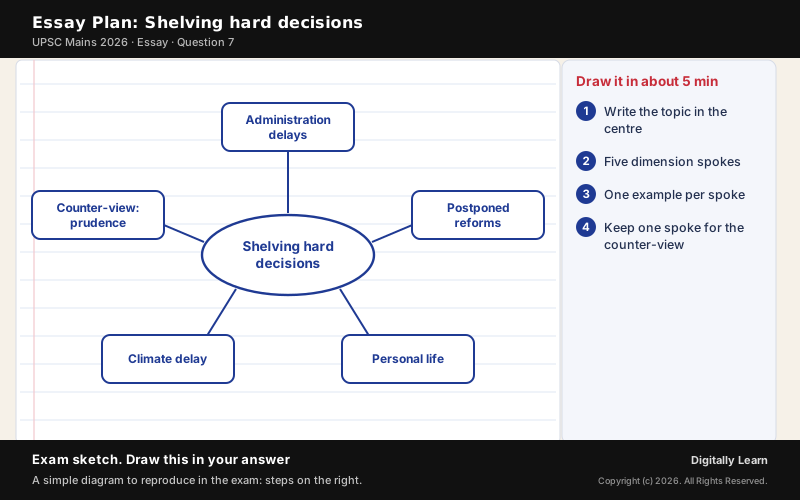
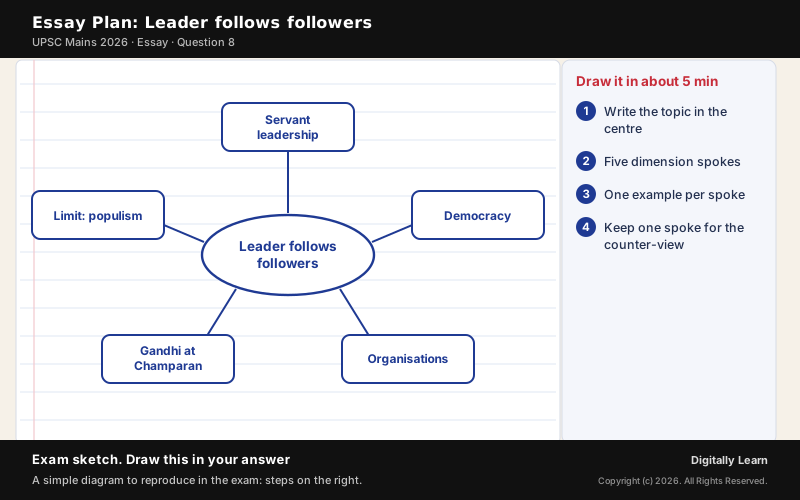
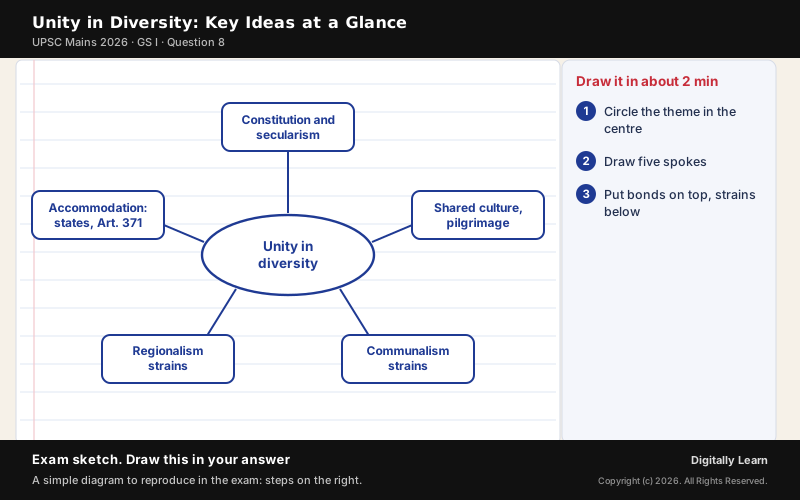
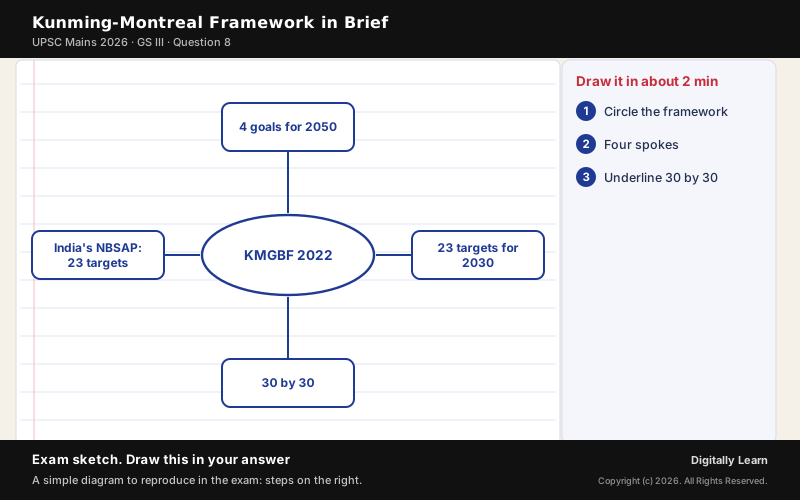
Draw this in the exam (about 5 min)
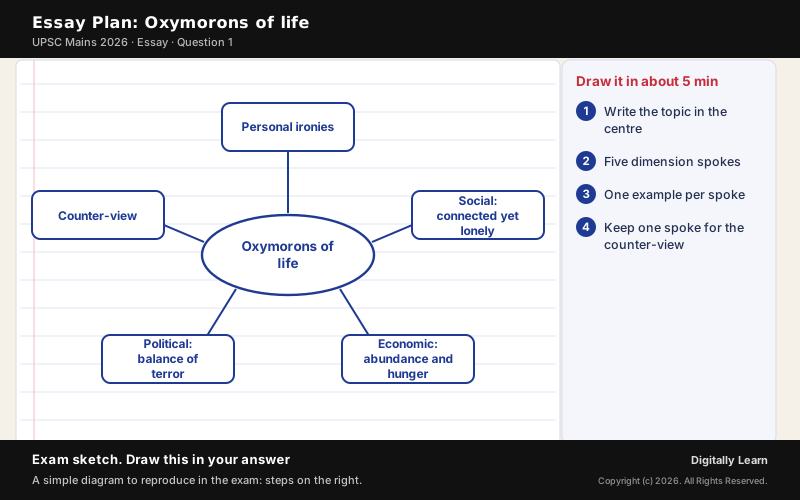
- Write the topic in the centre
- Five dimension spokes
- One example per spoke
- Keep one spoke for the counter-view
Study the topic: UPSC Essay Paper: Pattern, Marking and How to Write