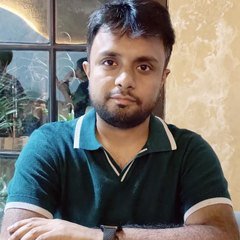
Shikher Goyal
Founder and Editorial Lead
SubjectsGeographyEnvironmentAll GS subjects
Holds a Master of Computer Applications (MCA), prepared for the UPSC Civil Services Examination from 2012 to 2019 with Geography as his optional subject, and founded Digitally Learn in 2017. Reviews the Geography and Environment articles and leads the editorial direction with the team.
Full profile · LinkedIn
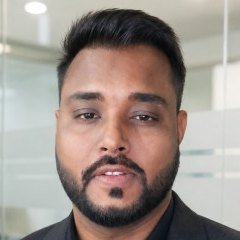
Harshit Singh
Science and Technology Editor
SubjectsScience and Technology
Holds a B.Tech degree, with more than eight years of experience with competitive examinations, and has cleared several of them. Reviews the Science and Technology articles and oversees the quality of the Prelims Test Series.
LinkedIn
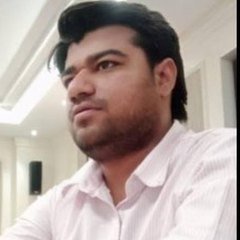
Shashank Sharma
Polity, Economy and Law Editor
SubjectsPolityGovernanceEconomyLaw
Holds MBA and LLB degrees. More than ten years of teaching Science, Mathematics, Geography and Polity, and runs his own successful classes for competitive examinations alongside his work at Digitally Learn.
LinkedIn

Neeti Baranwal
History Editor and Hindi Content Lead
SubjectsHistory
Holds an MA in History and has prepared for the NET examination. Reviews the History articles and leads our Hindi content, including the Hindi version of the practice questions.
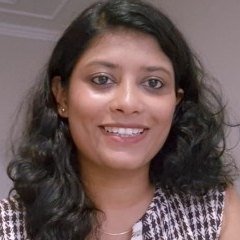
Parul Baranwal
Society and Art & Culture Editor, Design Lead
SubjectsArt and CultureSociety
A UI and UX design expert, trained at NIFT Bhopal. Designs how students read, practise and move through Digitally Learn, oversees the design and user experience of the website and the practice tools, and reviews the Society and Art and Culture articles.
LinkedIn
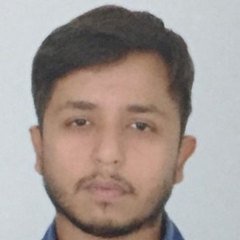
Prakhar Goyal
Current Affairs, International Relations and CSAT Editor
SubjectsCurrent AffairsInternational RelationsCSATEconomy
Holds a B.Tech degree, with more than ten years of engineering experience. Reviews the Current Affairs, International Relations and CSAT material, and oversees the technology behind the website.
LinkedIn
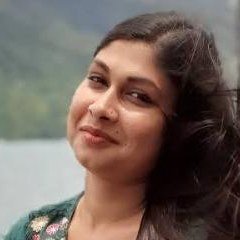
Sakshi Baranwal
Student Support and Human Resources
Helps withInterview preparationStudent support
A B.Sc (Information Technology) graduate with over ten years of experience in customer support. Leads student support and human resources, and guides students in their preparation for the personality test (interview).
LinkedIn