


Overview
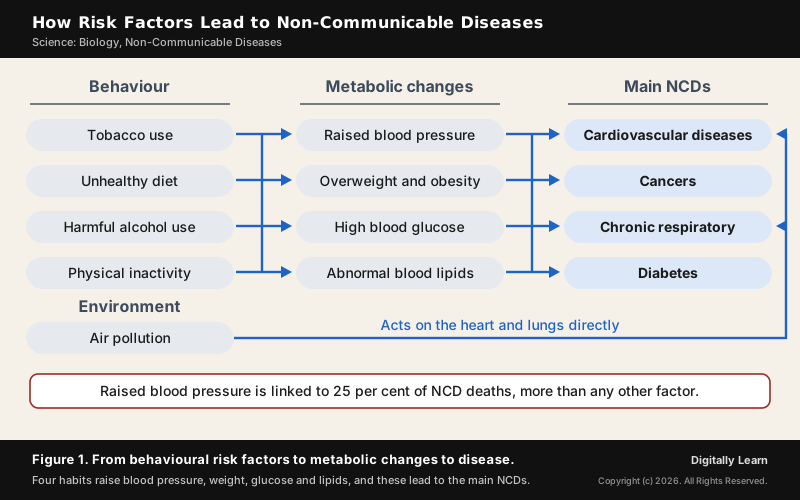
Non-communicable diseases (NCDs), also called chronic or lifestyle diseases, do not spread from person to person. They last long and arise from genetic, physiological, environmental and behavioural factors; the main ones are cardiovascular diseases, cancers, chronic respiratory diseases and diabetes.
Non-Communicable Diseases: Meaning, Burden and Risk Factors
Difference Between Communicable and Non-Communicable Diseases
Diseases fall into two broad groups. Communicable, or infectious, diseases pass from one person to another; non-communicable diseases (NCDs), also known as chronic diseases, do not. They tend to last a long time and result from a combination of genetic, physiological, environmental and behavioural factors.
| Feature | CD | NCD |
|---|---|---|
| Cause | A pathogen | Genes, body, environment and behaviour |
| Spread | From person to person | Does not spread |
| Course | Often short | Usually long, chronic |
| Examples | Malaria, tuberculosis | Heart disease, cancer, diabetes |
The main NCDs are cardiovascular diseases such as heart attack and stroke, cancers, chronic respiratory diseases such as COPD and asthma, and diabetes. Because they grow out of the way people live, they are often called lifestyle diseases. The infectious diseases are covered in the communicable diseases article.
List of Non-Communicable Diseases: Lifestyle Diseases and Other Examples by Group
Four groups, cardiovascular diseases, cancers, chronic respiratory diseases and diabetes, cause 80 per cent of premature NCD deaths, and cardiovascular diseases alone cause the most. The wider list also takes in mental disorders, long-term kidney and liver disease, and disorders inherited through the genes.
| Group | Examples | What sets it apart |
|---|---|---|
| Cardiovascular diseases | Heart attack, stroke, hypertension, rheumatic heart disease | The leading cause of death in the world |
| Cancers | Lung, breast, colorectal, prostate, oral and cervical cancer; leukaemia | Nearly 10 million deaths in 2024 |
| Chronic respiratory diseases | Chronic obstructive pulmonary disease (COPD), asthma | COPD is the third leading cause of death |
| Diabetes | Type 1, type 2 and gestational diabetes | 830 million people had diabetes in 2022 |
| Mental disorders | Depression, anxiety disorders, dementia | Nearly one person in seven lives with one |
| Kidney and liver disease | Chronic kidney disease, non-alcoholic fatty liver disease | Both are covered by India's NCD programme |
| Inherited disorders | Sickle cell disease, cystic fibrosis | Caused by errors in genetic information passed down from parents |
They are called chronic because they last a long time and usually develop slowly. Habits drive many of them, but the habits themselves are shaped by people's social, commercial and physical surroundings, so controlling these diseases needs every sector, from health and finance to transport, education and agriculture, to work together.
Global and Indian Burden of Non-Communicable Diseases
NCDs are now the world's biggest killers. They caused at least 43 million deaths in 2021, 75 per cent of all deaths not caused by the pandemic, and 18 million of those who died were under 70. Of these premature deaths, 82 per cent happened in low- and middle-income countries, which also carry 73 per cent of all NCD deaths.
In India, NCDs account for over 55 per cent of all deaths. The ICMR-INDIAB study put the number of people with diabetes at 10.1 crore in 2023, and India's population screening has found about 7 crore people with hypertension.
Because NCDs develop slowly and often without symptoms, the response rests on detection, screening and treatment, together with palliative care for those who cannot be cured. The 2030 Agenda for Sustainable Development sets a target of cutting by one third the probability of dying from any of the four main NCDs between the ages of 30 and 70. Poverty and NCDs feed each other: the cost of long treatment pushes households into poverty, and poorer people get sicker and die sooner because they have less access to health services.
Causes of Non-Communicable Diseases: Behavioural, Metabolic and Environmental Risk Factors
The causes of NCDs fall into three kinds. Behavioural risk factors are the habits: tobacco use, unhealthy diets with too much salt, sugar and fat, harmful use of alcohol, and too little physical activity. Over the years they show up as four metabolic risk factors: raised blood pressure, overweight and obesity, high blood glucose, and abnormal blood lipids such as high cholesterol. Raised blood pressure leads the list, linked to 25 per cent of NCD deaths worldwide.
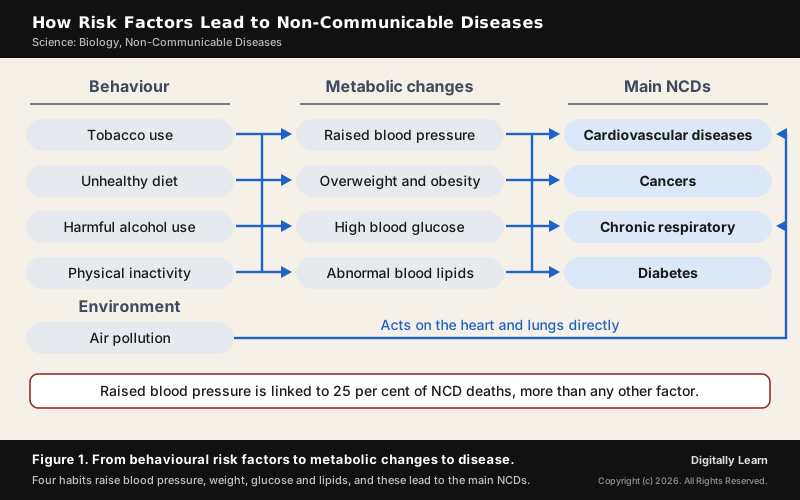
Air pollution, indoor and outdoor, is the largest environmental risk factor. Of the 6.7 million deaths it causes each year, about 5.6 million are from NCDs: stroke, heart disease, COPD and lung cancer. Among the habits, tobacco is the deadliest: it kills more than 7 million people a year, including over 1.6 million non-smokers exposed to second-hand smoke, and there is no safe level of exposure.
- Nicotine: Tobacco’s alkaloid makes the adrenal gland release adrenaline and noradrenaline, which raise blood pressure and heart rate; it is highly addictive.
- Smoking: Linked to cancers of the lung, urinary bladder and throat, bronchitis, emphysema, coronary heart disease and gastric ulcer; it also raises carbon monoxide in the blood and cuts the oxygen it carries. Chewing tobacco raises the risk of oral cancer.
- Alcohol: Chronic use damages the nervous system and the liver, causing cirrhosis.
- Inactivity: About 31 per cent of the world’s adults, 1.8 billion people, do not get the recommended 150 minutes of moderate activity a week.
- Diet: People now eat more processed food high in unhealthy fats, sugars and salt; WHO advises at least 400 grams of fruit and vegetables a day for everyone over 10.
Cardiovascular Diseases and Hypertension
Hypertension: Normal Blood Pressure and Why It Often Goes Unnoticed
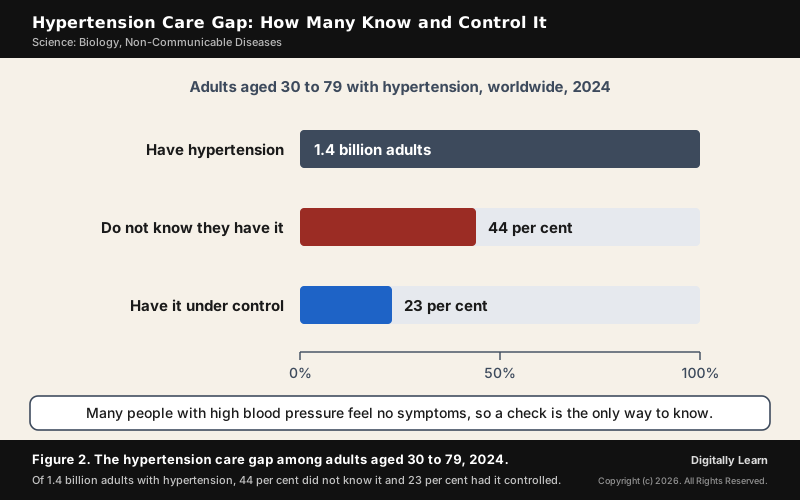
High blood pressure, or hypertension, is pressure in the blood vessels of 140/90 mmHg or higher. It is common and can be serious if not treated, yet many people with it feel no symptoms, so the only way to know is to have the blood pressure checked; how the pressure arises is explained in the circulatory system article.
Blood pressure is written as two numbers. The first, systolic, is the pressure when the heart beats; the second, diastolic, is the pressure when the heart rests between beats. Hypertension is diagnosed when readings on two different days show 140 or more systolic, 90 or more diastolic, or both.
- Scale: About 1.4 billion adults aged 30 to 79 had hypertension in 2024, a third of that age group; 44 per cent did not know it, and only 23 per cent had it under control.
- Risk factors: Older age, genetics, being overweight, physical inactivity, a high-salt diet and heavy drinking.
- In India: Over 40.87 crore people have been screened for hypertension under the national NCD programme, about 7 crore diagnosed and 5.57 crore put on treatment.
- Global target: To cut the prevalence of uncontrolled hypertension by 25 per cent between 2010 and 2025.
Salt plays a direct part. Too much salt makes the body hold extra water, which raises the volume of blood and the pressure on the artery walls. Surveys by the Indian Council of Medical Research show that men in India eat about 8.9 grams of salt a day and women about 7.1 grams, against the World Health Organization's advice of under 5 grams. A healthier diet, quitting tobacco and being more active also help lower blood pressure, though some people still need medicines.
Atherosclerosis, Heart Attack, Stroke and Other Cardiovascular Diseases
Disorders of the heart and blood vessels are called cardiovascular diseases (CVDs). They are the leading cause of death in the world, killing an estimated 19.8 million people in 2022, about 32 per cent of all deaths, and 85 per cent of these deaths were from heart attack and stroke.
- Coronary heart disease: Disease of the blood vessels supplying the heart muscle.
- Cerebrovascular disease: Disease of the blood vessels supplying the brain.
- Peripheral arterial disease: Disease of the vessels supplying the arms and legs.
- Rheumatic heart disease: Damage to the heart muscle and valves from rheumatic fever, caused by streptococcal bacteria.
- Congenital heart disease: Birth defects in the structure of the heart.
- Deep vein thrombosis and pulmonary embolism: Blood clots in the leg veins that can break off and travel to the heart and lungs.
Heart attacks and strokes are usually sudden events, caused by a blockage that stops blood reaching the heart or the brain. The usual cause is atherosclerosis: a plaque of fat, cholesterol, immune cells and calcium builds up in the wall of an artery and narrows it, often for decades without any symptom. When a plaque ruptures, a blood clot forms on it and can block the artery within minutes, and the tissue the artery supplies begins to die. Strokes can also come from bleeding in the brain.
Most cardiovascular diseases can be prevented by tackling tobacco, unhealthy diet, obesity, physical inactivity, harmful alcohol use and air pollution.
Often the underlying disease has no symptoms, and a heart attack or stroke is the first sign. A heart attack usually brings pain or discomfort in the centre of the chest, or in the arms, the left shoulder, the elbows, the jaw or the back.
Diabetes and Obesity
Types of Diabetes: Type 1, Type 2 and Gestational Diabetes
In diabetes, a chronic disease, the pancreas does not make enough insulin, or the body cannot use the insulin it makes, so blood glucose stays high; how insulin works is explained in the endocrine system article. The number of people with diabetes rose from 200 million in 1990 to 830 million in 2022.
- Type 1: Too little insulin is made, so insulin must be given daily; its cause and prevention are unknown.
- Type 2: The body cannot use insulin properly. It covers more than 95 per cent of people with diabetes and is often preventable through diet, activity, normal weight and avoiding tobacco.
- Gestational diabetes: Raised blood glucose during pregnancy, which raises the later risk of type 2 diabetes.
Over time diabetes damages the blood vessels of the heart, eyes, kidneys and nerves and can cause blindness, kidney failure, heart attack, stroke and amputation. In India over 40.68 crore people have been screened for diabetes and about 4.68 crore diagnosed.
Obesity, Trans Fats and Diet-Related Disease
Obesity is classified by WHO as a chronic, relapsing disease arising from genetics, neurobiology, eating behaviour, access to a healthy diet, market forces and the wider environment. In 2022 one person in eight was living with obesity; adult obesity has more than doubled since 1990 and adolescent obesity has quadrupled. Overweight and obesity come from an imbalance between the energy taken in as food and the energy spent in activity.
- Overweight: 43 per cent of adults were overweight in 2022, and 16 per cent were obese.
- Trans fats: Industrially made by adding hydrogen to liquid vegetable oils, found in vanaspati, margarine and fried and baked foods; they clog arteries and are linked to more than 278,000 deaths a year. Natural trans fats also occur in meat and dairy from cattle, sheep and goats.
- India’s limit: Since 1 January 2022, food in India may not contain more than 2 per cent industrial trans fat by mass of its oils and fats; dairy, meat and fish products are excluded.
Fresh fruit and vegetables supply antioxidants, compounds that inhibit oxidation, a chemical reaction that can produce harmful free radicals.
Cancer: Causes, Types, Detection and Treatment
What Is Cancer: Uncontrolled Cell Division, Tumours and Metastasis
In the body, cell growth and division are tightly controlled, and cancer is what happens when that control breaks down. Normal cells stop dividing when they touch other cells, a property called contact inhibition; cancer cells lose it and keep dividing into masses called tumours.
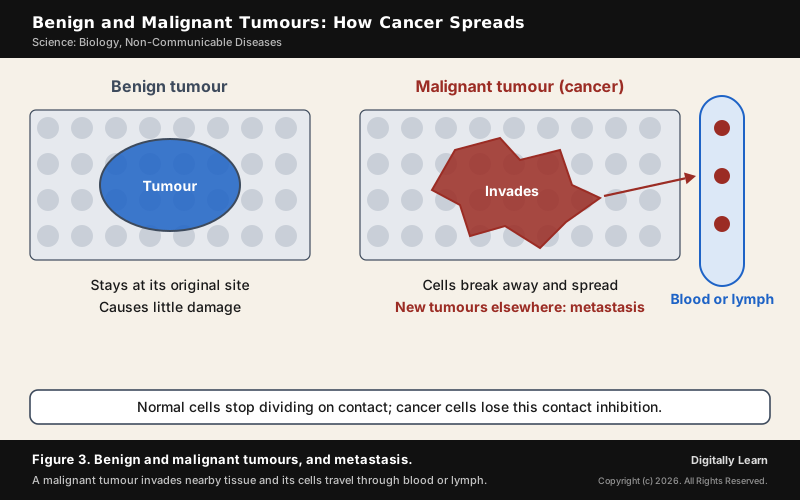
- Benign tumours: Stay confined to their original site and cause little damage.
- Malignant tumours: Masses of rapidly dividing neoplastic cells that invade and damage nearby tissue and starve normal cells of nutrients.
- Metastasis: Cells shed from a malignant tumour travel through the blood or lymph, lodge elsewhere and start new tumours; this is the most feared property of cancer.
Cancer is a leading cause of death, with nearly 10 million deaths in 2024, about one death in six. Cells are also meant to die on schedule through a programmed cell death called apoptosis, explained with cancer cells in the cell cycle and cell division article.
Causes of Cancer: Carcinogens, Oncogenes and Cancer-Causing Viruses
Normal cells turn cancerous under physical, chemical or biological agents called carcinogens. Ionising radiation such as X-rays and gamma rays, and non-ionising ultraviolet light, damage DNA; chemicals in tobacco smoke are a major cause of lung cancer.
- Oncogenic viruses: Cancer-causing viruses carry genes called viral oncogenes.
- Proto-oncogenes: Normal cells also carry cellular oncogenes that, when activated under certain conditions, can turn a cell cancerous.
- Lifestyle: Nearly a quarter of cancer deaths come from tobacco, alcohol, high body mass index, low fruit and vegetable intake and lack of activity.
- Infections: Human papillomavirus (HPV) and hepatitis cause about 30 per cent of cancers in low- and lower-middle-income countries; India began nationwide HPV vaccination of 14-year-old girls in 2026, as the immunity and vaccines article explains.
Types of Cancer and How Cancer Is Detected
The most common cancers worldwide are of the lung, breast, colon and rectum, and prostate. Early detection matters because many cancers can be cured when found early and treated well, so detection rests on biopsy: a thin, stained section of suspect tissue is examined under a microscope.
- Blood and bone marrow tests: Look for raised cell counts in leukaemias.
- Imaging: Radiography with X-rays, CT, which uses X-rays to build a three-dimensional image, and MRI, which uses strong magnetic fields and non-ionising radiation, find cancers of internal organs.
- Antibodies and genes: Antibodies against cancer-specific antigens detect some cancers, and molecular tests find inherited genes that raise the risk.
India's programme screens for the three commonest cancers it targets, oral, breast and cervical: over 34 crore people for oral cancer, 16 crore for breast cancer and 8.73 crore women for cervical cancer.
Early detection has two parts: early diagnosis, recognising symptoms and getting prompt care, and screening of people who have no symptoms yet. Breast, cervical, oral and colorectal cancers have high cure rates when detected early and treated well, which is why India screens for three of them.
Cancer Treatment: Surgery, Radiation, Chemotherapy and Immunotherapy
The common approaches to cancer treatment are surgery, radiation therapy, chemotherapy and immunotherapy, and most cancers are treated by a combination of surgery, radiotherapy and chemotherapy.
Cost is a large part of the burden. In October 2026 the Union government decided to cap trade margins on all non-scheduled anti-cancer drugs at 30 per cent of the maximum retail price, branded and generic, made in India or imported, after the National Pharmaceutical Pricing Authority found an average mark-up of about 170 per cent, and up to 700 per cent on some medicines.
- Radiotherapy: Tumour cells are irradiated lethally, with care for the normal tissue around them.
- CyberKnife: A radiation therapy device in which a small linear accelerator sits on a robotic arm. Its image guidance system takes 3D images, tracks a tumour as it moves and guides the arm to aim the beam at it, so a precise dose reaches the tumour; it treats tumours, while finding where a cancer has spread is the work of the imaging methods described above.
- Chemotherapy: Drugs kill cancer cells, some aimed at particular tumours; most have side effects such as hair loss and anaemia.
- Immunotherapy: Tumour cells avoid the immune system, so patients are given biological response modifiers such as alpha-interferon to activate it; immunotherapy guides the immune system to recognise and fight cancer.
Chronic Respiratory Diseases, Mental Health and Ageing
Chronic Respiratory Diseases: COPD and Asthma
Chronic obstructive pulmonary disease (COPD) restricts airflow and makes breathing difficult; it is sometimes called emphysema or chronic bronchitis. It is the third leading cause of death in the world, with 3.4 million deaths in 2023, and smoking and air pollution are its most common causes; in poorer countries household air pollution is a major risk. Its symptoms are cough, often with phlegm, difficulty breathing, wheezing and tiredness; COPD cannot be cured, but symptoms improve when people avoid smoking and polluted air, get vaccines against infections and take medicines.
Asthma is inflammation and narrowing of the small airways, bringing cough, wheeze, shortness of breath and chest tightness. It affected an estimated 363 million people in 2023, is the most common chronic disease among children, and can be controlled with inhaled medicines. How the airways work is covered in the respiratory system article.
Mental Health and the Health Challenges of Longer Life
Nearly one person in seven in the world lives with a mental disorder. Effective prevention and treatment exist, but most people do not have access to them; in India they are covered by the National Mental Health Programme, running since 1982, and the Tele-MANAS helpline. Anxiety and depressive disorders are the most common: in 2023, 470 million people lived with an anxiety disorder and 322 million with depression, which differs from the usual ups and downs of mood and lasts for at least two weeks.
People everywhere are living longer. Between 2015 and 2050 the share of the world's population over 60 will nearly double from 12 to 22 per cent, and by 2030 one person in six will be 60 or older. Longer lives bring their own health challenges, because older people are more likely to live with several conditions at once.
- Common conditions in old age: Hearing loss, cataracts and refractive errors, back and neck pain and osteoarthritis, COPD, diabetes, depression and dementia, the last explained in the nervous system article.
- India’s response: The NCD programme screens everyone over 30 for the commonest chronic conditions, and the mental health programme and Tele-MANAS reach people with depression and other disorders.
Prevention and Control of Non-Communicable Diseases in India
National Programme for Prevention and Control of NCDs: Screening and Ayushman Arogya Mandirs
India's response is the National Programme for Prevention and Control of Non-Communicable Diseases (NP-NCD), begun in 2010 and run under the National Health Mission. It focuses on diabetes, hypertension, oral, breast and cervical cancer, chronic kidney disease, heart attack, COPD, non-alcoholic fatty liver disease and stroke.
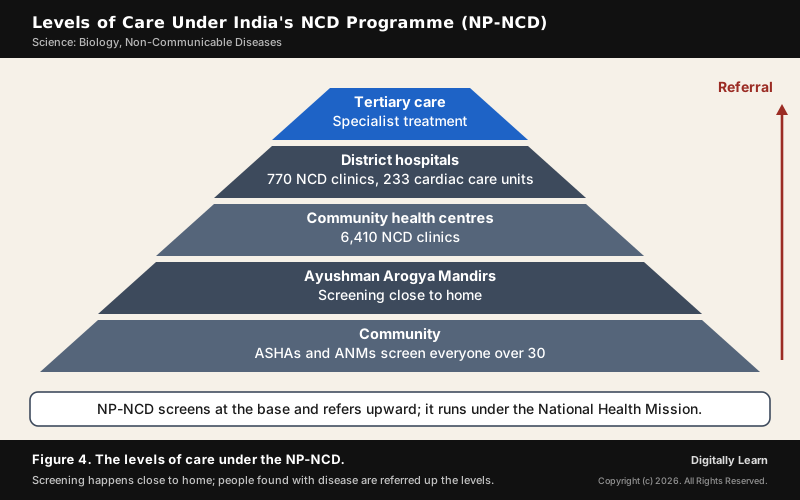
- Population screening: Everyone over 30 is screened for the common NCDs by ASHAs and ANMs, with referral to community health centres, district hospitals and tertiary care.
- Facilities: 770 district NCD clinics, 479 district day care centres, 6,410 NCD clinics at community health centres and 233 cardiac care units.
- Screening drive: A national campaign from 20 February to 31 March 2025 aimed to screen everyone over 30, working through the Ayushman Arogya Mandirs and other facilities.
The 75/25 initiative, launched on World Hypertension Day, 17 May 2023, set out to give standard care to 75 million people with hypertension and diabetes by December 2025. By 5 March 2025, 42.01 million were being treated for hypertension and 25.27 million for diabetes, 89.7 per cent of the target.
Tobacco Control, Healthy Diets and Healthy Lifestyles
Tobacco control rests on the Cigarettes and Other Tobacco Products Act, 2003 (COTPA), which bans smoking in public places, sale to and by minors and within 100 yards of educational institutions, and tobacco advertising, and requires health warnings on packs.
- National Tobacco Control Programme: Launched in 2007-08 to raise awareness, cut supply, enforce COTPA, help people quit and carry out the WHO Framework Convention on Tobacco Control.
- Quitting support: Over 2,000 tobacco cessation centres and a national toll-free quitline since 2018.
- Fall in tobacco use: Tobacco use among adults fell from 34.6 per cent in 2009-10 to 28.6 per cent in 2016-17, a relative fall of 17.3 per cent.
Food rules add a second front: the trans-fat limit made India one of the first countries in Asia, after Thailand, with best-practice trans-fat policies. Healthy diets, regular activity, and avoiding tobacco and harmful alcohol lower the risk of dying from an NCD.
Previous Year UPSC-CSE Questions
Previous Year UPSC-CSE Questions By the end you will be able to draft model answers for the following UPSC questions. Each question carries a collapsible framework showing how to approach it in the exam.
- UPSC Mains 2022 GS-IIIThe increase in life expectancy in the country has led to newer health challenges in the community. What are those challenges and what steps need to be taken to meet them?
Answer outline: how to structure the answer
What the question asks, the main arguments, relevant examples and the direction of the conclusion. This is not a full model answer.
Introduction: As people live longer, non-communicable diseases, which already cause over 55 per cent of deaths in India, become the main health burden.
Body (sub-themes to develop):
- Challenges: heart disease, diabetes, cancer and COPD; several conditions at once in old age.
- Dementia, depression and other mental disorders, with poor access to care.
- Risk factors: tobacco, alcohol, unhealthy diet, inactivity, air pollution.
- Steps: NP-NCD screening of everyone over 30, the 75/25 initiative, cancer screening.
- Tobacco control (COTPA, NTCP), the trans-fat limit, the mental health programme and Tele-MANAS.
Conclusion: Conclude that prevention, early screening and care close to the community are the answer to longer, healthier lives.
- UPSC Prelims 2011 Prelims-GSA company marketing food products advertises that its items do not contain trans-fats. What does this campaign signify to the customers?
- The food products are not made out of hydrogenated oils.
- The food products are not made out of animal fats/oils.
- The oils used are not likely to damage the cardiovascular health of the consumers.
Which of the statements given above is/are correct?
How to approach this Prelims question
Approach: Test each statement against how trans fats are made and what they do. Industrial trans fats are made by adding hydrogen to liquid vegetable oils, so a trans-fat-free product is not made from hydrogenated oils: statement 1 holds. Trans fats also occur naturally in meat and dairy from cattle, sheep and goats, but the claim says nothing about all animal fats, so statement 2 does not follow. Trans fats clog arteries, so products without them are less likely to harm the heart: statement 3 holds.
Trap to watch: Statement 2 fails because trans-fat-free does not mean free of animal fats.
Key facts to recall:
- (a) 1 only: wrong. It misses statement 3; removing trans fats removes an artery-clogging fat.
- (b) 2 and 3 only: wrong. Statement 2 does not follow, since a trans-fat-free product may still contain animal fat.
- (c) 1 and 3 only: right. No hydrogenated oils, and less risk to the heart.
- (d) 1, 2 and 3: wrong. It includes statement 2.
Answer signal: Statements 1 and 3 follow from the claim, so option (c) is the answer.
- UPSC Prelims 2011 Prelims-GSRegular intake of fresh fruits and vegetables is recommended in the diet since they are a good source of antioxidants. How do antioxidants help a person maintain health and promote longevity?
How to approach this Prelims question
Approach: Recall what an antioxidant does: it inhibits oxidation, a chemical reaction that can produce harmful free radicals. Then pick the option that describes exactly that and reject the ones that give antioxidants a different job.
Trap to watch: Option (b) sounds scientific, but antioxidants protect cells, not energy stores.
Key facts to recall:
- (a) Activating enzymes for vitamin synthesis: wrong. That is not the role of antioxidants; they act against oxidation.
- (b) Preventing oxidation to avoid wasting energy: wrong. It borrows the word oxidation but turns a protective role into an energy-saving one.
- (c) Neutralising the free radicals produced during metabolism: right. Antioxidants inhibit the oxidation that produces harmful free radicals.
- (d) Activating genes to delay ageing: wrong. No such gene-switching role is part of what an antioxidant is.
Answer signal: Antioxidants act against free radicals, so option (c) is the answer.
- UPSC Prelims 2001 Prelims-GS“Metastasis” is the process by which
How to approach this Prelims question
Approach: Recall the most feared property of malignant tumours: cells shed from the tumour travel through the blood or lymph, lodge elsewhere and start new tumours. Match that description to the options.
Trap to watch: Option (c) describes mitosis, a trap for those who link cancer only with cell division.
Key facts to recall:
- (a) Cells dividing rapidly under drugs: wrong. Metastasis is spread to new sites, not division caused by drugs.
- (b) Cancer cells spreading through blood or lymph to other sites: right. This is metastasis.
- (c) Chromosomes attached to the spindle before moving to the poles: wrong. That describes a stage of mitosis, ordinary cell division.
- (d) Cancer cells stopped from dividing further: wrong. That is the opposite of what malignant cells do.
Answer signal: Spread through blood or lymph is metastasis, so option (b) is the answer.
- UPSC Prelims 2010 Prelims-GSWith reference to the treatment of cancerous tumours, a tool called cyberknife has been making the news. In this context, which one of the following statements is not correct?
How to approach this Prelims question
Approach: Recall what CyberKnife is: a radiation therapy device, a small linear accelerator on a robotic arm with an image guidance system that tracks the tumour and aims the beam at it. It is a treatment tool. Mapping how far a cancer has spread is a diagnostic task done by imaging, so the statement that gives the device that job is the wrong one.
Trap to watch: Image guidance can sound like imaging for diagnosis; in CyberKnife the images only steer the beam during treatment.
Key facts to recall:
- (a) A robotic image-guided system: correct statement. The accelerator sits on a robotic arm steered by an integrated image guidance system.
- (b) An extremely precise dose of radiation: correct statement. The guidance aims the beam accurately at the tumour, even as it moves.
- (c) Sub-millimetre accuracy: correct statement. UPSC's key accepts it as true; the whole design, tracking the tumour and steering the beam on to it, is built for accuracy.
- (d) Mapping the spread of a tumour in the body: not correct, so this is the answer. CyberKnife delivers radiation; the spread of a cancer is found by imaging such as CT and MRI.
Answer signal: CyberKnife treats tumours and does not map their spread, so option (d) is the answer.
- UPSC Prelims 2001 Prelims-GSThe cellular and molecular control of programmed cell death is known as
How to approach this Prelims question
Approach: Match the phrase 'programmed cell death' to its name, then rule out the other kinds of cell loss.
Trap to watch: Necrosis is also cell death, but uncontrolled, caused by injury.
Key facts to recall:
- (a) Apoptosis: right. It is the programmed, controlled death of cells.
- (b) Ageing: wrong. It is the process of growing old, not a named mechanism of cell death.
- (c) Degeneration: wrong. It is a general decline of tissue, not the controlled cell death the question describes.
- (d) Necrosis: wrong. It is traumatic cell death from acute injury, the uncontrolled opposite of apoptosis.
Answer signal: Programmed cell death is apoptosis, so option (a) is the answer.
- UPSC Prelims 1995 Prelims-GS“It begins as a single cell and grows into a merciless disease that claims millions of lives year after year. But scientists are steadily unlocking its mysteries, and the fight against it may now have reached a dramatic turning point. New discoveries promise better therapies and hope in the war against …” The disease referred to in the above quotation is
How to approach this Prelims question
Approach: The passage describes a disease that begins as a single cell and grows. Cancer begins when one cell loses its growth controls and keeps dividing into a tumour; the other options begin differently.
Trap to watch: AIDS and TB also kill millions, but they begin with a virus or bacterium entering the body, not a single cell of the body.
Key facts to recall:
- (a) Cancer: right. It starts in a single cell that divides without control, and it caused nearly 10 million deaths in 2024.
- (b) AIDS: wrong. It begins with infection by a virus, HIV, from outside the body.
- (c) Tuberculosis: wrong. It begins with infection by a bacterium, Mycobacterium tuberculosis.
- (d) Alzheimer's disease: wrong. It is a neurodegenerative disease, the most common cause of dementia, not a growth of cells.
Answer signal: A disease that begins as one cell and grows is cancer, so option (a) is the answer.
Sources and Further Reading
- NCERT: Biology, Class 12, Chapter 7, Human Health and Disease
- World Health Organization: Noncommunicable diseases, fact sheet
- World Health Organization: Cardiovascular diseases, fact sheet
- World Health Organization: Hypertension, fact sheet
- World Health Organization: Diabetes, fact sheet
- World Health Organization: Cancer, fact sheet
- World Health Organization: Chronic obstructive pulmonary disease, fact sheet
- World Health Organization: Asthma, fact sheet
- World Health Organization: Obesity and overweight, fact sheet
- World Health Organization: Tobacco, fact sheet
- World Health Organization: Trans fat, fact sheet
- World Health Organization: Healthy diet, fact sheet
- World Health Organization: Physical activity, fact sheet
- World Health Organization: Mental disorders, fact sheet
- World Health Organization: Ageing and health, fact sheet
- Press Information Bureau: update on NP-NCD, 23 March 2026
- Press Information Bureau: update on the 75/25 initiative, 11 March 2025
- Press Information Bureau: reduction in tobacco usage, 23 September 2020
- Press Information Bureau: prevalence of diabetes (ICMR-INDIAB), 1 August 2023
- Directorate General of Health Services: National Tobacco Control Programme
- Directorate General of Health Services: National Mental Health Programme
- Food Safety and Standards Authority of India: India@75, freedom from trans fats by 2022
- Indian Council of Medical Research: ICMR-INDIAB study, Phase I report
- Wikipedia: Metastasis
- Wikipedia: Antioxidant
- Wikipedia: ELISA
- Wikipedia: Apoptosis
- Wikipedia: Immunotherapy
- Wikipedia: CyberKnife (device)
- Wikipedia: Atherosclerosis
- Wikipedia: Myocardial infarction
- Wikipedia: Non-communicable disease
- Wikipedia: Sickle cell disease
- The Hindu, Delhi edition, 18 September 2026, Health page: World Patient Safety Day
- The Hindu, Delhi edition, 21 September 2026: salt intake and hypertension
- The Hindu, Delhi edition, 9 October 2026: Govt. to cap trade margins at 30% of MRP for cancer drugs
Editorial Disclaimer
This article is for UPSC preparation and explains non-communicable diseases and their control. It is not medical advice; see a doctor for any symptoms.


