


Overview
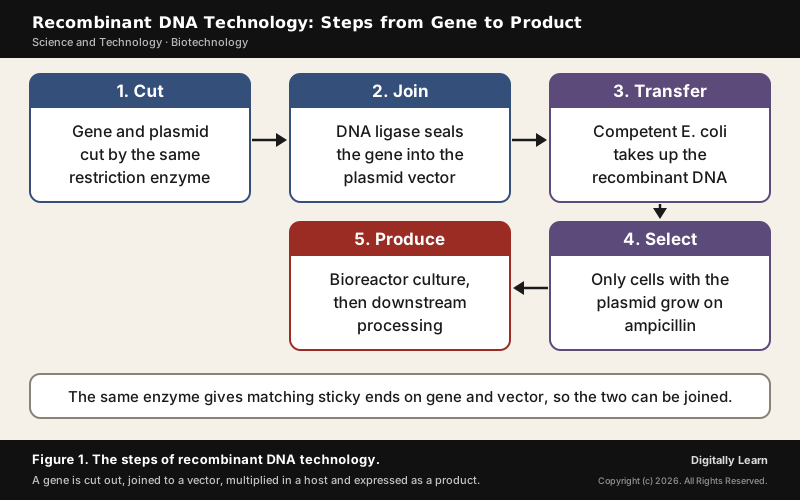
Recombinant DNA technology, or genetic engineering, cuts a chosen gene out of one organism with restriction enzymes, joins it to a vector with DNA ligase and puts it into a host, where it is copied and expressed. Together with PCR, DNA fingerprinting, genome sequencing and CRISPR-Cas9 gene editing, it underpins modern biotechnology in medicine, farming, forensics and industry.
Biotechnology and Genetic Engineering: Principles
What Is Biotechnology: Traditional and Modern
Biotechnology is old in practice and new in method. Making curd, bread or wine uses microbes, so in a broad sense it is biotechnology. Today the word is used in a narrower sense, for processes that use genetically modified organisms to make products on a large scale. In vitro fertilisation, making a gene and using it, developing a DNA vaccine and correcting a defective gene all fall within it.
The European Federation of Biotechnology gives a definition that covers both the old and the new: ‘the integration of natural science and organisms, cells, parts thereof, and molecular analogues for products and services’. Two techniques made modern biotechnology possible:
- Genetic engineering: Techniques that alter the chemistry of the genetic material, DNA and RNA, introduce it into a host organism and so change the host’s characteristics.
- Bioprocess engineering: Keeping a large culture free of contaminating microbes, so that only the desired microbe or cell grows, in the quantities needed to make antibiotics, vaccines and enzymes.
Genetic Engineering and Recombinant DNA: Why One Gene Can Be Moved
Traditional breeding mixes two whole sets of genes, so undesirable genes often travel along with the one that is wanted. Genetic engineering avoids this. Through recombinant DNA, DNA joined from different sources, gene cloning and gene transfer, it isolates one desirable gene, or a set of them, and introduces only those into the target organism.
A piece of foreign DNA put into a cell usually cannot multiply on its own. It multiplies only when it is linked to a DNA sequence called the origin of replication, the point where copying starts. Linked to such a sequence, the foreign DNA is copied along with the host's own DNA and passed to the next generation. Making many identical copies of a piece of DNA in this way is called cloning.
The first recombinant DNA was made in 1972 by Stanley Cohen and Herbert Boyer. They cut a gene for antibiotic resistance out of a plasmid of Salmonella typhimurium, joined it to another plasmid, and put the result into Escherichia coli, which copied it. Every genetic modification still follows the three steps they used:
- Identify the DNA that carries the desirable gene.
- Introduce that DNA into the host.
- Keep the introduced DNA in the host and pass it on to the host’s progeny.
Tools of Recombinant DNA Technology
Restriction Enzymes: The Molecular Scissors
Recombinant DNA technology needs a small set of tools: restriction enzymes to cut DNA, polymerase enzymes to copy it, ligases to join it, vectors to carry it and a host organism to keep it. Of these, the restriction enzymes came first. In 1963 two enzymes that restrict the growth of viruses in E. coli were isolated; one added methyl groups to DNA and the other cut it.
The first restriction enzyme whose cut depended on a particular DNA sequence, Hind II, was described five years later. It always cut DNA at a sequence of six base pairs, its recognition sequence. More than 900 restriction enzymes are now known, isolated from over 230 strains of bacteria. Werner Arber, Hamilton Smith and Daniel Nathans shared the Nobel Prize in Physiology or Medicine in 1978 for discovering this class of enzymes.
- Naming restriction enzymes: The first letter comes from the genus and the next two from the species of the bacterium, then the strain and a Roman number for the order of discovery. EcoRI comes from Escherichia coli RY 13.
- Exonucleases and endonucleases: Exonucleases remove nucleotides from the ends of DNA; endonucleases, which include the restriction enzymes, cut at specific positions within it.
- Palindromic sites: Each restriction enzyme recognises a palindrome, a stretch that reads the same on both strands in the same direction, such as GAATTC paired with CTTAAG.
- Sticky ends: Most of these enzymes cut a little away from the centre of the site, between the same two bases on each strand. This leaves short single-stranded overhangs that pair with any other end cut by the same enzyme, which makes joining easy. EcoRI, for example, cuts GAATTC between the G and the A on each strand and leaves four-base AATT overhangs.
DNA ligase is the enzyme that then seals the joint. Because a vector and a gene cut by the same restriction enzyme carry matching sticky ends, ligase can join them into one recombinant molecule; cut with different enzymes, they usually cannot be joined.
Gel Electrophoresis: Separating DNA Fragments
Cutting DNA gives a mixture of fragments, and gel electrophoresis sorts them by size. DNA carries a negative charge, so in an electric field it moves through a gel towards the positive electrode, the anode. The usual gel is agarose, a natural polymer extracted from seaweed, which acts as a sieve: the smaller the fragment, the farther it moves.
- Seeing the bands: DNA is invisible in ordinary light. It is stained with ethidium bromide and seen as bright orange bands under ultraviolet light.
- Elution: A band is cut out of the gel and the DNA is extracted from it, then used to build recombinant DNA.
- Checking a digest: The same method shows whether a restriction enzyme has finished cutting.
Gene Cloning Vector: Plasmids, pBR322 and Ti Plasmid
A cloning vector is the DNA molecule that carries a foreign gene into a host and multiplies it there. Plasmids, small circles of DNA that copy themselves inside bacteria, and bacteriophages, viruses of bacteria, are the usual vectors. A plasmid may exist in one or two copies per cell or in 15 to 100, and a linked gene is multiplied to the same number. A useful vector has four features:
- Origin of replication (ori): The sequence where copying starts; it also sets the copy number of the linked DNA.
- Selectable marker: A gene, usually for resistance to an antibiotic such as ampicillin, tetracycline or kanamycin, that lets only transformed cells survive.
- Cloning sites: Preferably a single recognition site for each common restriction enzyme, so the vector is opened at one place only.
- A way to spot recombinants: In pBR322, an E. coli vector, a gene inserted at the BamH I site inactivates tetracycline resistance; recombinant cells grow on ampicillin but not on tetracycline. In newer vectors the insert breaks the gene for β-galactosidase, so recombinant colonies stay colourless while the others turn blue, a method called insertional inactivation.
Genes are moved into plants and animals with tools borrowed from pathogens. Agrobacterium tumefaciens naturally transfers a piece of DNA, the T-DNA, into the cells of dicot plants and turns them into tumours. Its tumour inducing (Ti) plasmid has been disarmed into a vector that no longer causes disease but still delivers genes. Retroviruses, which can turn animal cells cancerous, have been disarmed in the same way to deliver genes into animal cells.
Competent Host and Methods of Gene Transfer
DNA cannot pass through a cell membrane on its own, so the host cell has to be made competent to take it up. Bacteria are treated with a divalent cation such as calcium, incubated with the recombinant DNA on ice, given a brief heat shock at 42 °C and returned to ice. Other hosts need other methods:
- Microinjection: Recombinant DNA is injected directly into the nucleus of an animal cell.
- Biolistics or gene gun: Plant cells are bombarded with tiny particles of gold or tungsten coated with DNA.
- Disarmed pathogens: A vector such as the disarmed Ti plasmid or a retrovirus infects the cell and carries the DNA in.
Process of Recombinant DNA Technology
Recombinant DNA Technology Steps: From Gene to Product
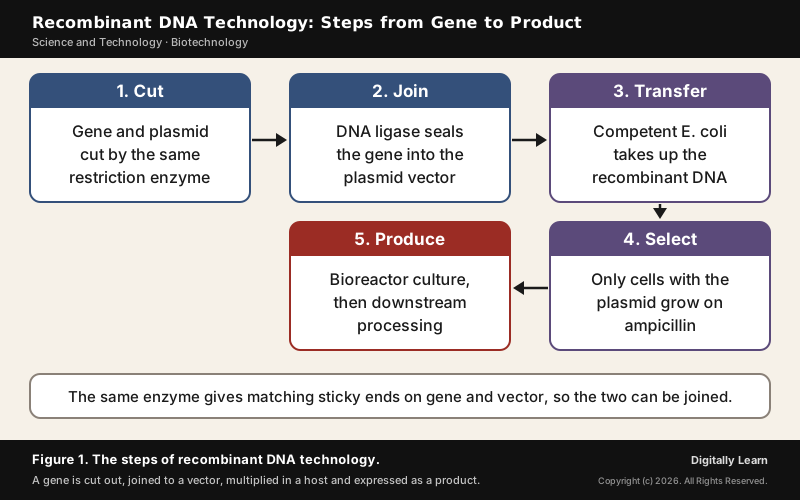
- Isolation of DNA: Cells are broken open with enzymes, lysozyme for bacteria, cellulase for plant cells and chitinase for fungi. Ribonuclease removes RNA and protease removes proteins, and chilled ethanol makes the pure DNA come out as fine threads.
- Cutting at specific locations: The DNA and the vector are cut with the same restriction enzyme, and agarose gel electrophoresis checks the cut.
- Joining: The gene of interest and the opened vector are mixed with DNA ligase, which forms the recombinant DNA.
- Amplification by PCR: Where many copies of the gene are needed first, they are made by the polymerase chain reaction.
- Insertion into the host: Competent cells take up the recombinant DNA, and a selectable marker such as ampicillin resistance picks out the transformed cells.
- Obtaining the product: The host expresses the gene. A protein made from a gene expressed in a foreign host is called a recombinant protein.
PCR Technique: The Polymerase Chain Reaction
The polymerase chain reaction (PCR) makes a very large number of copies of one stretch of DNA in a test tube. It needs the DNA to be copied, two primers, short pieces of DNA made chemically to match the two ends of the stretch, the four nucleotides and a DNA polymerase. The American biochemist Kary Mullis invented it in 1983.
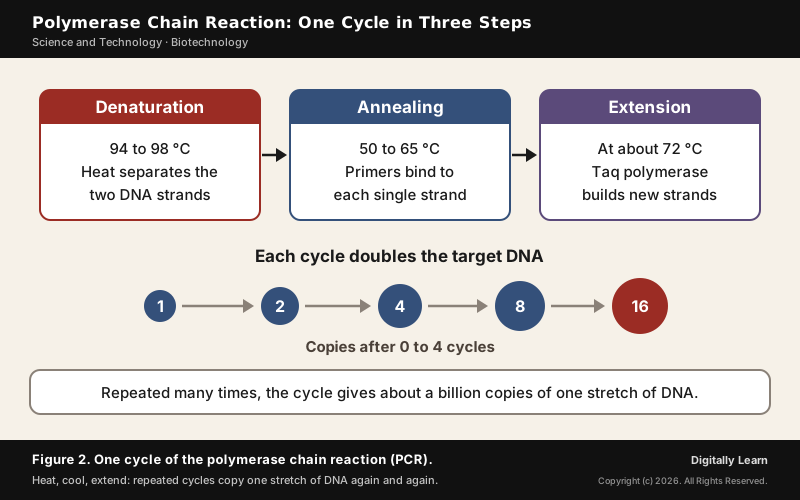
- Denaturation: The mixture is heated to 94 to 98 °C, and the two strands of the DNA separate.
- Annealing: It is cooled to 50 to 65 °C, and the primers bind to their matching places on each single strand.
- Extension: At about 72 °C the polymerase extends the primers into new strands.
Each cycle doubles the stretch between the primers, so repeated cycles amplify it to about a billion copies. This works because the enzyme used, Taq polymerase from the heat-loving bacterium Thermus aquaticus, survives the high temperature of every denaturation step. Before it came into use, fresh enzyme had to be added after every cycle.
Bioreactors and Downstream Processing
A gene that works in a laboratory flask has to be scaled up to give useful amounts of product. Cells can be kept in their most active phase by continuous culture, in which used medium is drained from one side while fresh medium is added from the other. For large quantities, the culture is grown in a bioreactor, a vessel that holds 100 to 1,000 litres and keeps temperature, pH, nutrients and oxygen at their best.
- Stirred-tank bioreactor: The most common type, a cylinder with a curved base; a stirrer, or sterile air bubbled through it, mixes the culture and spreads oxygen.
- Control systems: An agitator, an oxygen supply, foam control, temperature and pH control, and ports for taking small samples.
- Downstream processing: Separation and purification of the product, its formulation with preservatives, clinical trials for a drug and strict quality control.
DNA Fingerprinting and Genome Sequencing
What Is DNA Fingerprinting: VNTR and Uses
About 99.9 per cent of the bases in human DNA are the same in all people, so comparing whole genomes is slow. DNA fingerprinting looks only at repetitive DNA, regions where a short sequence is repeated many times. These regions are part of the satellite DNA, classed as microsatellites, minisatellites and so on; they do not code for proteins, and the number of repeats varies greatly from person to person.
Alec Jeffreys at the University of Leicester developed the technique in 1984. He used a minisatellite called the variable number of tandem repeats (VNTR), whose length varies from 0.1 to 20 kilobases. The original method had six steps:
- Isolation of DNA.
- Digestion with restriction enzymes.
- Separation of the fragments by electrophoresis.
- Blotting of the fragments onto a nitrocellulose or nylon membrane (Southern blotting).
- Hybridisation with a labelled VNTR probe.
- Detection of the bands by autoradiography.
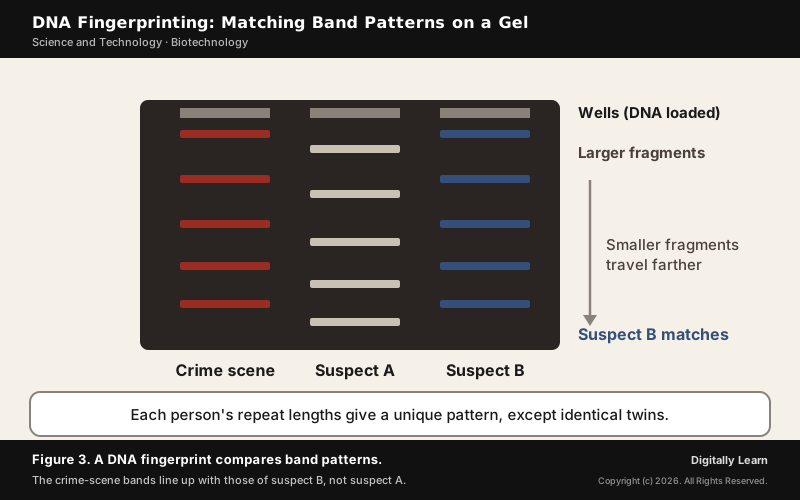
The bands form a pattern particular to each person. DNA from blood, hair follicles, skin, bone, saliva or sperm gives the same pattern, which makes it a tool of forensic science, and the repeats are inherited from parents, which makes it the basis of paternity testing. Since PCR, DNA from a single cell is enough. Laboratories today mostly compare short tandem repeats (STRs), the shorter repeats of microsatellites.
Microsatellite DNA, DNA Barcoding and Environmental DNA
The same variation that identifies a person also separates populations and species. Microsatellites, short sequences repeated in tandem, mutate faster than most DNA, so they vary a great deal. They are used in DNA profiling and kinship analysis. In population genetics they measure how closely subspecies and populations are related, which makes them a tool for studying evolutionary relationships.
- DNA barcoding: A short, standard stretch of DNA identifies a species, much as a barcode identifies a product. For animals the usual region is part of the mitochondrial gene cytochrome c oxidase I (COI). It tells apart species that look alike and finds undeclared plant or animal material in processed food; it cannot tell the age of an organism.
- Environmental DNA (eDNA): Organisms shed DNA into soil, water and air. Collected and sequenced, it shows which species live in a habitat, including endangered animals that are seldom seen.
- Metagenomics: The study of all the genetic material from all the organisms in an environment, without culturing each species. Aerial metagenomics collects the DNA carried in the air of a habitat in one go.
Human Genome Project and Genome Sequencing
Reading the full sequence of bases in an organism's DNA is called genome sequencing. Frederick Sanger's method of 1977 was the most widely used for about 40 years; massively parallel or next-generation sequencing, which reads a huge number of DNA fragments at the same time, has since cut the cost greatly. The yeast Saccharomyces cerevisiae was the first eukaryote to have its genome completely sequenced, released in 1996.
The Human Genome Project began in 1990 and was completed in 2003, a 13-year effort coordinated by the US Department of Energy and the National Institutes of Health, with partners in Britain, Japan, France, Germany and China. The genome was broken into fragments, cloned in bacterial and yeast artificial chromosomes, sequenced and reassembled by computer, a task that gave rise to bioinformatics, the use of computers to store and analyse biological data. Its main findings:
- The human genome has 3,164.7 million bases.
- Less than 2 per cent of it codes for proteins; repeated sequences make up a very large part.
- Chromosome 1 has the most genes, 2,968, and the Y chromosome the fewest, 231.
- About 1.4 million places where single bases differ between people, the single nucleotide polymorphisms (SNPs), were found; they help locate genes linked to disease.
Gene Maps, Crop Genomes and the Genome India Project
A map of where genes and DNA markers sit on the chromosomes has practical uses. Markers mapped in cattle, pigs and chickens are used to detect parentage, and a marker linked to disease resistance lets breeders pick resistant plants and animals without waiting to see the disease, a method called marker-assisted selection.
Sequencing a crop does the same work on a larger scale. In 2011-12 Indian scientists decoded the genome of pigeonpea, the first plant genome sequenced entirely by Indian institutions; of its 47,004 protein-coding genes, 1,213 are for disease resistance and 152 for tolerance to drought, heat and salinity, and the sequence is expected to speed up the breeding of new varieties. Reading a pathogen's genome shows the effector proteins it uses to attack a crop, which helps breeders find the crop's matching resistance genes. The full set of RNA molecules expressed in a cell, the transcriptome, shows which genes are actually in use.
- Genome India: The Department of Biotechnology sequenced the whole genomes of 10,074 healthy individuals from 83 populations at 99 sites, about 36.7 per cent rural, 32.2 per cent urban and 31.1 per cent tribal.
- Indian Biological Data Centre: The data, released on 9 January 2025, is stored at this national repository and shared with researchers under the Biotech-PRIDE Guidelines; a future target of sequencing 10 million genomes has been announced.
- Why an Indian dataset: A catalogue of Indian genetic variation allows diagnostic chips, diagnostics and therapies designed for India’s own populations.
Genome Editing and CRISPR-Cas9
CRISPR Full Form and How CRISPR-Cas9 Works
Genome editing changes the DNA of a living organism at a chosen place, instead of adding a gene from outside as older genetic engineering did. Its best-known tool began as a bacterial defence. CRISPR sequences in bacteria and archaea store pieces of the DNA of viruses that once attacked them; the Spanish microbiologist Francisco Mojica was among the first to study these repeats. When the same virus returns, an RNA copied from the stored piece guides the protein Cas9 to the virus's DNA, and Cas9 cuts it.
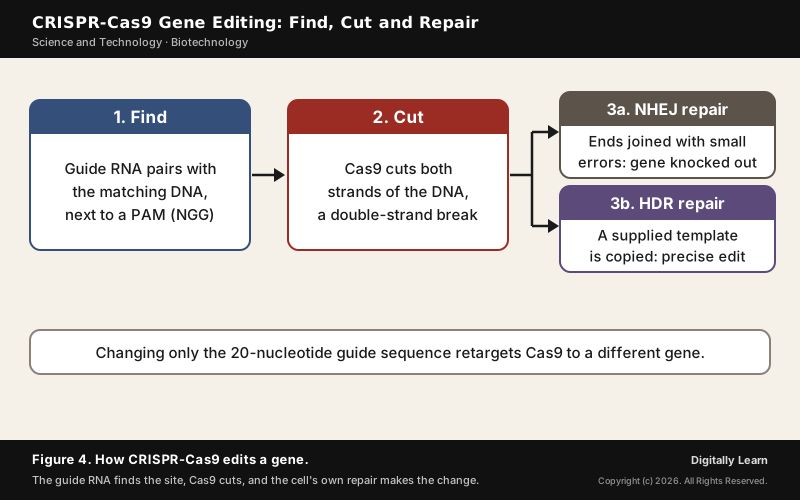
- Find: A guide RNA carries a 20-nucleotide sequence that matches the target. Cas9 checks the DNA and binds only where the match lies next to a short protospacer adjacent motif (PAM), such as NGG.
- Cut: Cas9, an RNA-guided endonuclease, cuts both strands, a double-strand break.
- Repair by joining the ends: The cell’s non-homologous end joining (NHEJ) seals the break but often adds or deletes a few bases, which knocks the gene out.
- Repair from a template: If a piece of DNA with the desired change is supplied, homology-directed repair (HDR) copies it, giving a precise edit.
In 2012 Jennifer Doudna and Emmanuelle Charpentier fused the two natural RNAs into a single guide RNA, turning the system into a tool that can be aimed at almost any gene by changing that guide alone. They received the Nobel Prize in Chemistry in 2020. Newer forms cut less and edit more finely: base editing changes a single nucleotide without breaking the DNA strands, and prime editing, a ‘search-and-replace’ method, writes new genetic information directly into the target site.
CRISPR Gene Editing: Uses, Ethics and Regulation in India
Genome editing is used in crops, in medicine and in research. In agriculture it can change a plant's own genes without leaving foreign DNA behind, which is why it is regulated differently from older transgenic crops. In medicine it can repair the gene behind an inherited disease in a patient's own cells. Editing such body cells, somatic editing, affects only the patient; editing eggs, sperm or embryos, germline editing, passes the change to future generations.
- Rules of 1989: Work with genetically engineered organisms in India falls under the Rules for the manufacture, use, import, export and storage of hazardous microorganisms and genetically engineered organisms or cells, 1989, notified under the Environment (Protection) Act, 1986, which the Ministry of Environment, Forest and Climate Change administers.
- Laboratory oversight: Laboratory work is overseen by Institutional Biosafety Committees (IBSCs) and the Review Committee on Genetic Manipulation (RCGM).
- Genome-edited plants: An office memorandum of 30 March 2022 exempted genome-edited plants of the SDN-1 and SDN-2 categories that carry no foreign DNA from Rules 7 to 11, and standard operating procedures for their review followed the same year. In May 2025 India announced its first two genome-edited rice varieties, DRR Rice 100 (Kamala) and Pusa DST Rice 1.
- Therapies: Gene-editing therapies are approved by the Central Drugs Standard Control Organisation under the New Drugs and Clinical Trials Rules, 2019, guided by the National Guidelines for Gene Therapy Product Development and Clinical Trials, 2019, and the ICMR’s ethical guidelines. Stem cell guidelines restrict editing of germ-line cells and human embryos to in vitro studies.
Recombinant DNA Technology Uses and Applied Biotechnology in India
Recombinant DNA Technology Uses: Medicine, Farming and Industry
The applications of biotechnology include therapeutics, diagnostics, genetically modified crops, processed food, bioremediation, waste treatment and energy production. Three research areas decide how well any of them works: the best catalyst, which is an improved microbe or a pure enzyme; the best conditions for that catalyst; and downstream processing to purify the product.
| Field | What recombinant DNA and related tools deliver |
|---|---|
| Medicine | Human insulin made in bacteria, recombinant vaccines, gene therapy, PCR and ELISA diagnosis |
| Agriculture | Bt crops carrying an insect-killing gene from the bacterium Bacillus thuringiensis, crops tolerant of cold, drought, salt or heat, genome-edited rice |
| Research | Transgenic animals, over 95 per cent of them mice, as models of human disease |
| Forensics and wildlife | DNA fingerprinting, DNA barcoding and environmental DNA surveys |
| Industry and environment | Enzymes, bio-based chemicals and microbes that clean up pollution |
Medicine is the largest of these fields, and the article on gene therapy and biotechnology in medicine covers it in detail: insulin, gene therapy, molecular diagnosis and biopharmaceuticals. Vaccines and the immune system are explained in the article on immunity and vaccines, and stem cells and cloning in the article on the cell cycle and stem cells.
Biotechnology in India: DBT, BIRAC and the BioE3 Policy
India set up a separate Department of Biotechnology (DBT) in 1986, under the Ministry of Science and Technology, to administer the development and commercialisation of biotechnology. Its institutes include the Centre for DNA Fingerprinting and Diagnostics in Hyderabad, and its public sector undertaking, the Biotechnology Industry Research Assistance Council (BIRAC), funds start-ups through schemes such as the Biotechnology Ignition Grant.
- BioE3 Policy: Biotechnology for Economy, Environment and Employment, approved by the Union Cabinet on 24 August 2024, aims to make India a hub of high-performance biomanufacturing in chemicals, enzymes, agriculture and therapeutics, through biomanufacturing hubs, Bio-AI hubs and biofoundries.
- Size of the bioeconomy: India’s bioeconomy grew from 10 billion dollars in 2014 to 165.7 billion dollars in 2024, and the government targets 300 billion dollars by 2030.
- Start-ups: Biotechnology start-ups grew from about 50 in 2014 to over 8,500 in 2023.
These tools reach the poor in concrete ways. Tests based on PCR detect HIV and other infections early; Bt crops protect themselves from insects and need less chemical pesticide; genome-edited rice is bred for yield and for saving water; and indigenous gene therapies, such as the CAR-T therapy NexCAR19 and BIRSA 101 for sickle cell disease, cost a fraction of the treatments sold abroad.
Previous Year UPSC-CSE Questions
Previous Year UPSC-CSE Questions By the end you will be able to draft model answers for the following UPSC questions. Each question carries a collapsible framework showing how to approach it in the exam.
- UPSC Prelims 2013 Prelims-GSRecombinant DNA technology (Genetic Engineering) allows genes to be transferred
- Across different species of plants
- From animals to plants
- From microorganisms to higher organisms
Select the correct answer using the codes given below.
How to approach this Prelims question
Approach: Recombinant DNA technology works because DNA has the same chemistry in every organism, so a gene cut out of one organism can be joined to a vector and made to work in another. Statement 1, across plant species: yes. Statement 2, animal genes into plants: yes, the barrier is only technical. Statement 3, microbes to higher organisms: yes, the Bt gene from a bacterium works in cotton. All three are correct.
Trap to watch: Assuming that genes cannot cross kingdoms; the whole point of rDNA technology is that they can.
Key facts to recall:
- (a) 1 only: wrong. Genes also move from animals to plants and from microbes to higher organisms.
- (b) 2 and 3 only: wrong. Genes also move between different plant species.
- (c) 1 and 3 only: wrong. Animal genes can be expressed in plants as well.
- (d) 1, 2 and 3: right. A gene from any organism can be joined to a vector and expressed in another.
Answer signal: 1, 2 and 3: option (d), the official answer. DNA is the same chemistry everywhere.
- UPSC Prelims 2001 Prelims-GSAssertion and Reason:
- Assertion (A): Scientists can cut apart and paste together DNA molecules at will, regardless of the source of the molecules.
- Reason (R): DNA fragments can be manipulated using restriction endonucleases and DNA ligases. Which of the following is correct?
How to approach this Prelims question
Approach: Test the assertion: scientists can cut and paste DNA from any source, which is the basis of recombinant DNA; true. Test the reason: restriction endonucleases cut at specific sequences and DNA ligases join the fragments; true. Does the reason explain the assertion? Yes: these two enzymes are exactly what make the cutting and pasting possible.
Trap to watch: Marking (b) because both statements look like separate facts; the enzymes are the mechanism.
Key facts to recall:
- (a) Both true, R explains A: right. Restriction enzymes cut and ligases join, which is how DNA is cut and pasted.
- (b) Both true, R does not explain A: wrong. The two enzymes are the very means of the cutting and pasting.
- (c) A true, R false: wrong. Restriction endonucleases and ligases do manipulate DNA fragments.
- (d) A false, R true: wrong. DNA from any source can be cut and joined, which is recombinant DNA.
Answer signal: Both true, R explains A: option (a), the official answer.
- UPSC Prelims 2019 Prelims-GSWhat is Cas9 protein that is often mentioned in news?
How to approach this Prelims question
Approach: Cas9 is the enzyme of CRISPR-Cas9: a guide RNA leads it to a matching DNA sequence next to a PAM, and it cuts both strands. That makes it molecular scissors for targeted gene editing.
Trap to watch: Confusing Cas9 with the Bt gene of pest-resistant crops, another biotechnology term in the news.
Key facts to recall:
- (a) Molecular scissors for targeted gene editing: right. Cas9 cuts DNA where the guide RNA leads it.
- (b) A biosensor for detecting pathogens: wrong. Cas9 cuts DNA; it is not a sensor.
- (c) A gene that makes plants pest-resistant: wrong. That describes the Bt (cry) gene, not Cas9.
- (d) A herbicidal substance made in GM crops: wrong. Cas9 is an enzyme of a bacterial defence system.
Answer signal: Molecular scissors used in targeted gene editing: option (a), the official answer.
- UPSC Prelims 2017 Prelims-GSWith reference to agriculture in India, how can the technique of 'genome sequencing', often seen in the news, be used in the immediate future?
- Genome sequencing can be used to identify genetic markers for disease resistance and drought tolerance in various crop plants.
- This technique helps in reducing the time required to develop new varieties of crop plants.
- It can be used to decipher the host-pathogen relationships in crops.
Select the correct answer using the code given below:
How to approach this Prelims question
Approach: Statement 1: a crop genome shows the genes and markers for disease resistance and drought tolerance; the pigeonpea genome has 1,213 genes for disease resistance and 152 for drought, heat and salinity tolerance. True. Statement 2: markers let breeders select without waiting for the trait, so new varieties come faster. True. Statement 3: a pathogen's genome shows the effector proteins it uses on the crop, which helps find matching resistance genes. True.
Trap to watch: Treating statement 3 as too advanced; deciphering host-pathogen relations is a standard use of genomics.
Key facts to recall:
- (a) 1 only: wrong. Sequencing also speeds breeding and explains host-pathogen relations.
- (b) 2 and 3 only: wrong. Finding markers for disease resistance and drought tolerance is its first use.
- (c) 1 and 3 only: wrong. Marker-based selection shortens the time to breed a variety.
- (d) 1, 2 and 3: right. All three are uses of genome sequencing in crops.
Answer signal: 1, 2 and 3: option (d), the official answer.
- UPSC Prelims 2011 Prelims-GSAt present, scientists can determine the arrangement or relative positions of genes or DNA sequences on a chromosome. How does this knowledge benefit us?
- It is possible to know the pedigree of livestock.
- It is possible to understand the causes of all human diseases.
- It is possible to develop disease-resistant animal breeds.
Which of the statements given above is/are correct?
How to approach this Prelims question
Approach: A map of genes and markers on chromosomes is a tool for comparing individuals. Statement 1: markers detect parentage, so the pedigree of livestock can be known. True. Statement 2: knowing where genes lie does not explain every human disease. False, because of the word 'all'. Statement 3: markers linked to disease resistance allow resistant breeds to be selected. True.
Trap to watch: The absolute word 'all' in statement 2.
Key facts to recall:
- (a) 1 and 2 only: wrong. Statement 2 overclaims: a gene map does not reveal the causes of all diseases.
- (b) 2 only: wrong. Statement 2 is the false one.
- (c) 1 and 3 only: right. Gene maps show pedigree and help breed disease-resistant animals.
- (d) 1, 2 and 3: wrong. Statement 2 is false.
Answer signal: 1 and 3 only: option (c), the official answer.
- UPSC Prelims 1997 Prelims-GSThe sequencing of the entire genome (the totality of all genes) of an organism was completed in 1996. The organism was
How to approach this Prelims question
Approach: Recall the order of the genome projects: the yeast genome, the first complete eukaryotic genome, was released in 1996; the Human Genome Project finished in 2003. Only yeast fits 1996.
Trap to watch: Picking the human genome, the most famous project, which finished seven years later.
Key facts to recall:
- (a) Albino mouse: wrong. The genome completed in 1996 was that of yeast.
- (b) Yeast: right. Saccharomyces cerevisiae was the first eukaryote fully sequenced, in 1996.
- (c) Human being: wrong. The Human Genome Project ran from 1990 to 2003.
- (d) Plasmodium vivax: wrong. The 1996 genome was yeast's, not a malaria parasite's.
Answer signal: Yeast: option (b), the official answer.
- UPSC Prelims 2016 Prelims-GSIn the context of the developments in Bioinformatics, the term 'transcriptome', sometimes seen in the news, refers to
How to approach this Prelims question
Approach: The suffix '-ome' means the complete set: the genome is all the DNA, the transcriptome all the RNA transcripts, mainly mRNA, that a cell or organism expresses.
Trap to watch: Option (c), which describes gene expression as a process rather than the set of transcripts.
Key facts to recall:
- (a) Enzymes used in genome editing: wrong. Those are nucleases such as Cas9.
- (b) The full range of mRNA molecules expressed: right. The transcriptome is the set of all RNA transcripts.
- (c) The mechanism of gene expression: wrong. The transcriptome is a set of molecules, not a mechanism.
- (d) A mechanism of mutation: wrong. The transcriptome has nothing to do with mutation.
Answer signal: The full range of mRNA molecules expressed by an organism: option (b), the official answer.
- UPSC Prelims 2000 Prelims-GSAssertion and Reason:
- Assertion (A): “DNA Finger-printing” has become a powerful tool to establish paternity and identity of criminals in rape and assault cases.
- Reason (R): Trace evidences such as hairs, saliva and dried semen are adequate for DNA analysis.
How to approach this Prelims question
Approach: Assertion: DNA fingerprinting settles paternity and identifies criminals; true, because the repeat pattern is unique and inherited. Reason: hair, saliva and dried semen are adequate for analysis; true, because DNA from every tissue gives the same pattern and PCR amplifies tiny amounts. The reason explains why the tool works in criminal cases.
Trap to watch: Thinking the reason is a separate fact; the adequacy of trace evidence is why the method works in assault cases.
Key facts to recall:
- (a) Both true, R explains A: right. Trace evidence carries the same DNA pattern, so it can identify the offender.
- (b) Both true, R does not explain A: wrong. The usefulness of trace evidence is the explanation.
- (c) A true, R false: wrong. DNA from hair, saliva or semen gives the same pattern as blood.
- (d) A false, R true: wrong. DNA fingerprinting is the basis of paternity testing and forensic identification.
Answer signal: Both true, R explains A: option (a), the official answer.
- UPSC Prelims 1997 Prelims-GSWhich one of the following techniques can be used to establish the paternity of a child?
How to approach this Prelims question
Approach: Paternity needs a feature that differs between people and is inherited from each parent. The number of repeats in VNTRs varies greatly between people and is passed from parents to children, so a child's bands come half from the mother and half from the father.
Trap to watch: Option (c): what identifies a parent is the pattern of the repeats, not the amount of DNA.
Key facts to recall:
- (a) Protein analysis: wrong. It does not read the inherited repeat pattern of DNA.
- (b) Chromosome counting: wrong. A count shows the number of chromosomes, not the variation that tells families apart.
- (c) Quantitative analysis of DNA: wrong. The quantity of DNA does not reveal who the parents are.
- (d) DNA fingerprinting: right. The inherited repeat pattern of a child matches its parents.
Answer signal: DNA fingerprinting: option (d), the official answer.
- UPSC Prelims 2023 Prelims-GS'Microsatellite DNA' is used in the case of which one of the following?
How to approach this Prelims question
Approach: Microsatellites are short tandem repeats that mutate fast and so vary a great deal. Variation that can be compared between individuals, populations and species is what is needed to measure relatedness, so they serve in studying relationships among species.
Trap to watch: Option (c): clonal propagation copies a plant; it does not need DNA markers.
Key facts to recall:
- (a) Evolutionary relationships among species: right. Variable repeats measure how closely groups are related.
- (b) Turning stem cells into tissues: wrong. That is done with growth signals, not DNA markers.
- (c) Clonal propagation of plants: wrong. That is tissue culture, which copies a plant without markers.
- (d) Drug trials: wrong. Drug efficacy is tested by clinical trials, not by microsatellites.
Answer signal: Studying evolutionary relationships among species: option (a), the official answer.
- UPSC Prelims 2022 Prelims-GSConsider the following statements: DNA Barcoding can be a tool to:
- assess the age of a plant or animal.
- distinguish among species that look alike.
- identify undesirable animal or plant materials in processed foods.
Which of the statements given above is/are correct?
How to approach this Prelims question
Approach: A barcode identifies a species by a standard gene such as COI. Statement 1, age: the DNA sequence is the same throughout life, so no. Statement 2, look-alike species: yes, their barcodes differ. Statement 3, undesirable material in processed food: yes, the barcode reveals what species the food contains.
Trap to watch: Statement 1: a barcode names the species, not how old the individual is.
Key facts to recall:
- (a) 1 only: wrong. A DNA barcode cannot tell age.
- (b) 3 only: wrong. Barcoding also separates species that look alike.
- (c) 1 and 2: wrong. Statement 1 is false.
- (d) 2 and 3: right. Barcodes identify species, in the field and in processed food.
Answer signal: 2 and 3: option (d), the official answer.
- UPSC Prelims 2023 Prelims-GS'Aerial metagenomics' best refers to which one of the following situations?
How to approach this Prelims question
Approach: Metagenomics studies all the genetic material from all organisms in an environment at once. 'Aerial' means the sample is air, so aerial metagenomics collects the DNA of a habitat's organisms from the air.
Trap to watch: Options that collect samples from animals or from land; the method samples the air itself.
Key facts to recall:
- (a) Collecting DNA samples from air in a habitat at one go: right. That is aerial metagenomics.
- (b) The genetic make-up of the birds of a habitat: wrong. 'Aerial' refers to the air sampled, not to birds.
- (c) Air-borne devices collecting blood from animals: wrong. The method needs no contact with animals.
- (d) Drones collecting samples from land and water: wrong. The sample is air, not land or water.
Answer signal: Collecting DNA samples from air in a habitat at one go: option (a), the official answer.
- UPSC Mains 2021 GS-IIIWhat are the research and developmental achievements in applied biotechnology? How will these achievements help to uplift the poorer sections of the society?
Answer outline: how to structure the answer
What the question asks, the main arguments, relevant examples and the direction of the conclusion. This is not a full model answer.
Introduction: Applied biotechnology uses living cells and their molecules to make products; India has built it through the DBT since 1986, BIRAC and the BioE3 Policy of 2024.
Body (sub-themes to develop):
- Health: recombinant insulin and vaccines, PCR diagnosis, NexCAR19, the first indigenous CAR-T therapy, and BIRSA 101, the CRISPR therapy for sickle cell disease.
- Agriculture: Bt crops that need less pesticide, the pigeonpea genome, the first genome-edited rice varieties of 2025.
- Genomics and data: Genome India's 10,074 genomes for diagnostics designed for Indian populations.
- Uplift of the poor: therapies at a fraction of foreign prices, sickle cell care for tribal communities, cheaper early diagnosis, higher farm yields, jobs in biomanufacturing hubs.
Conclusion: Conclude that affordability, not invention alone, decides whether biotechnology reaches the poor, which is why public-private manufacture matters.
Sources
- NCERT: Biology (Class XII), Biotechnology: Principles and Processes
- NCERT: Biology (Class XII), Biotechnology and its Applications
- NCERT: Biology (Class XII, earlier edition), Molecular Basis of Inheritance
- PIB: Genome India data released through the Indian Biological Data Centre (9 January 2025)
- PIB: Parliament question, Indian Biological Data Centre (19 March 2025)
- PIB: Exemption of SDN-1 and SDN-2 genome-edited plants (2022)
- PIB: Standard operating procedures for genome-edited plants under SDN-1 and SDN-2 (27 October 2022)
- PIB: Two genome-edited rice varieties announced (4 May 2025)
- PIB: BIRSA 101, India's first indigenous CRISPR-based gene therapy (19 November 2025)
- PIB: Parliament question, self-reliance in CRISPR and gene editing (19 March 2026)
- PIB: Parliament question, BioE3 Policy
- PIB: The rise of India's bioeconomy (27 March 2025)
- PIB: India's first home-grown CAR-T cell therapy (4 April 2024)
- ICAR: DARE/ICAR Annual Report 2011-12, Crop Improvement
- ICMR and DBT: National Guidelines for Stem Cell Research, 2017
- Wikipedia: CRISPR
- Wikipedia: Cas9
- Wikipedia: CRISPR gene editing
- Wikipedia: Genome editing
- Wikipedia: Polymerase chain reaction
- Wikipedia: Restriction enzyme
- Wikipedia: Recombinant DNA
- Wikipedia: DNA profiling
- Wikipedia: STR analysis
- Wikipedia: Microsatellite
- Wikipedia: DNA barcoding
- Wikipedia: Environmental DNA
- Wikipedia: Metagenomics
- Wikipedia: Transcriptome
- Wikipedia: Massive parallel sequencing
- Wikipedia: Sanger sequencing
- Wikipedia: Saccharomyces cerevisiae
- Wikipedia: Taq polymerase
- Wikipedia: Hamilton O. Smith
- Wikipedia: EcoRI
- Wikipedia: He Jiankui affair
- Wikipedia: Department of Biotechnology
- Wikipedia: Centre for DNA Fingerprinting and Diagnostics
- Wikipedia: Marker-assisted selection
- Wikipedia: Plant disease resistance
- Wikipedia: Prime editing
- Wikipedia: List of Nobel laureates in Chemistry
- UPSC: Civil Services Examination question papers
Editorial Disclaimer
This article draws on the NCERT textbooks and the other sources listed on this page.


